

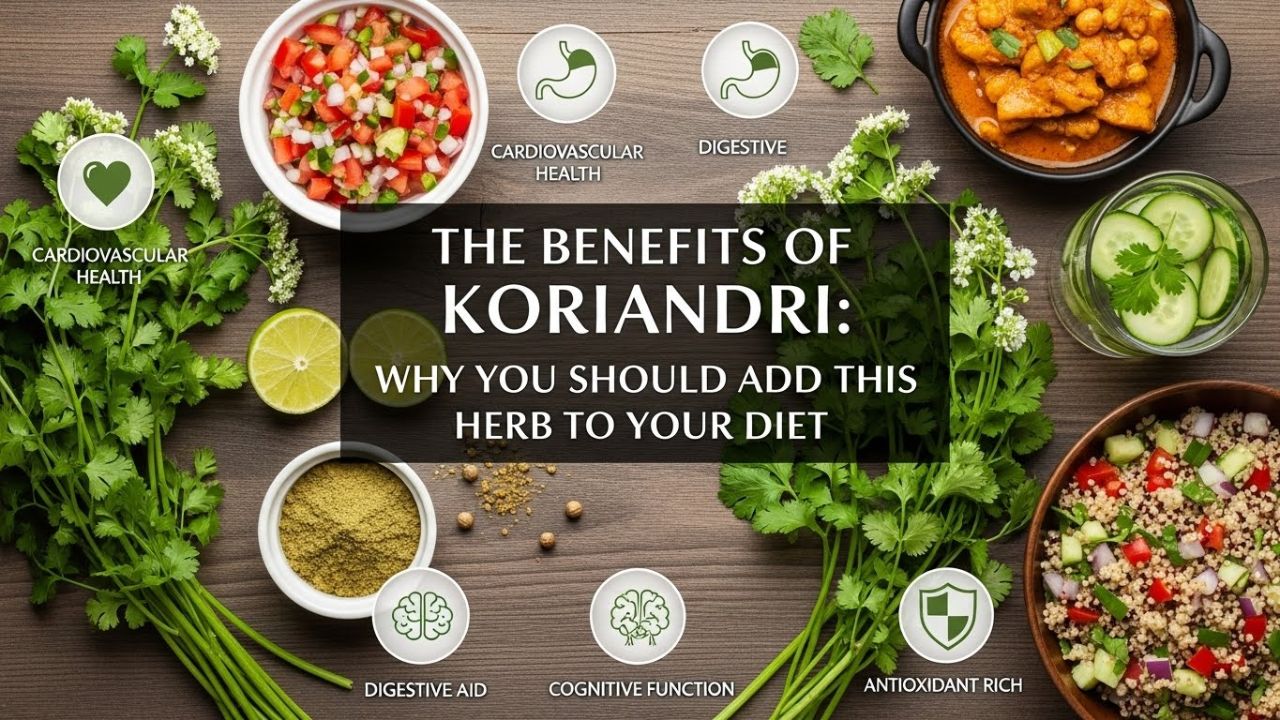
Introduction to Koriandri
Koriandri, also known as coriander or cilantro, is more than just a garnish on your favorite dishes. This vibrant herb has been celebrated for centuries not only for its distinct flavor but also for its incredible health benefits. Whether you love it in salsa or as a key ingredient in Asian cuisine, koriandri deserves a spotlight in your kitchen. With roots tracing back to ancient cultures and an impressive nutritional profile, this humble herb can elevate both the taste of your meals and support your well-being. Let’s delve into the fascinating world of koriandri and discover why incorporating it into your diet might be one of the best decisions you make for both flavor and health!
History and Origin of Koriandri
Koriandri, commonly known as coriander, has a rich history that dates back thousands of years. This herb is believed to have originated in the Mediterranean region and parts of Asia. Ancient Egyptians used koriandri in cooking and even included it in their embalming rituals. As time progressed, koriandri spread across the globe. It made its way to India around 500 BCE, where it became an essential ingredient in traditional cuisine. The spice was also mentioned in ancient texts like the Bible, highlighting its significance throughout history.
In various cultures, koriandri has symbolized protection and prosperity. Its aromatic leaves and seeds were treasured not just for flavor but also for medicinal properties. Today, it’s celebrated worldwide for its versatility and unique taste.
Nutritional Profile of Koriandri
Koriandri, also known as coriander or cilantro, is a powerhouse of nutrition packed into small leaves and seeds. It’s low in calories yet rich in essential vitamins and minerals. Just one serving provides a significant amount of vitamin K, which plays a crucial role in bone health. This herb also contains vitamin C, contributing to immune function and skin health.
Moreover, koriandri offers notable quantities of potassium and magnesium. These minerals help maintain proper heart function and regulate blood pressure levels. Its unique flavor isn’t the only reason to add koriandri to your meals; it delivers fiber too. This aids digestion while keeping you feeling full longer.
Whether consumed fresh or dried, koriandri contributes not just taste but valuable nutrients that support overall well-being. It’s more than just an herb it’s an ally for your health journey.
Health Benefits of Koriandri
Koriandri, also known as coriander, brings a wealth of health benefits that make it an essential addition to your diet. One standout feature is its anti-inflammatory properties. Regular consumption can help reduce inflammation in the body, potentially alleviating symptoms of chronic diseases. It also supports digestive health. Koriandri aids digestion by stimulating the production of enzymes and reducing bloating and gas.
Moreover, this herb promotes heart health. Its antioxidants work to lower bad cholesterol levels while increasing good cholesterol, helping maintain cardiovascular wellness. Koriandri offers a significant antioxidant boost. These compounds combat free radicals, protecting cells from damage and supporting overall well-being.
A. Anti-inflammatory Properties
Koriandri is more than just a flavorful herb; it boasts remarkable anti-inflammatory properties. The compounds found in koriandri, such as linalool and polyphenols, play a significant role in reducing inflammation throughout the body. Chronic inflammation can lead to various health issues, including arthritis and heart disease. Incorporating koriandri into your meals may help combat these risks effectively.
Research suggests that this herb can inhibit inflammatory markers, making it beneficial for those dealing with autoimmune conditions or joint pain. Adding fresh koriandri to your diet could be an easy way to support overall wellness. Whether used in sauces or sprinkled on salads, its unique flavor enhances dishes while providing health benefits. It’s a simple addition that packs a punch against inflammation.
B. Digestive Health
Koriandri, or coriander, is more than just a flavorful herb. It plays an essential role in promoting digestive health. This aromatic plant contains compounds that can help alleviate common gastrointestinal issues like bloating and gas. Its natural oils stimulate the secretion of digestive enzymes, improving nutrient absorption.
Additionally, koriandri has been known to ease symptoms associated with irritable bowel syndrome (IBS). The anti-spasmodic properties found within its leaves can provide relief from cramping and discomfort. Moreover, koriandri’s fiber content supports regular bowel movements. Incorporating this herb into meals can enhance overall gut function and promote a healthy microbiome.
Whether sprinkled on salads or blended into sauces, adding koriandri to your diet offers tasty ways to support your digestive system efficiently.
C. Heart Health
Koriandri is a powerful ally for heart health. Its unique compounds can help maintain healthy cholesterol levels, which is crucial for preventing cardiovascular diseases. This herb contains antioxidants that reduce oxidative stress. By combating free radicals, koriandri supports overall heart function and reduces the risk of arterial damage.
Additionally, it has been linked to improved blood circulation. Enhanced circulation means better oxygen and nutrient delivery throughout the body, benefiting your entire cardiovascular system. Incorporating koriandri into your meals may also help lower inflammation. Since chronic inflammation contributes to heart disease, this is an important aspect of maintaining a healthy heart.
With its delicious flavor profile and numerous benefits, koriandri stands out as more than just a culinary herb when it comes to supporting heart health.
D. Antioxidant Boost
Koriandri is more than just a flavorful herb; it’s packed with antioxidants. These compounds play a crucial role in combatting oxidative stress in the body. Oxidative stress occurs when there’s an imbalance between free radicals and antioxidants. This can lead to cellular damage, contributing to various chronic diseases. By incorporating koriandri into your diet, you can help neutralize these harmful free radicals.
The presence of flavonoids and phenolic acids in koriandri enhances its antioxidant properties. Regular consumption may contribute to better overall health and well-being. Adding this herb not only elevates the taste of your dishes but also serves as a natural defense against potential health issues linked to oxidative damage. It’s an easy way to boost your nutrient intake while enjoying delicious flavors.
Culinary Uses of Koriandri
Koriandri, also known as coriander, is a versatile herb that can elevate various dishes. Its fresh leaves add a burst of flavor to salads and salsas. You can sprinkle them over tacos or use them in guacamole for an extra zing. The seeds offer a warm, spicy note when ground into powders. They are perfect for seasoning meats and vegetables, enhancing the overall taste profile of your meals.
In Asian cuisine, koriandri shines in curries and stir-fries. It complements ingredients like ginger and garlic beautifully. For those who enjoy baking, incorporating ground koriandri seeds into bread or cookies introduces an unexpected twist. It pairs well with sweet flavors too! Experimenting with this herb opens up countless culinary possibilities while adding health benefits to your plate.
How to Incorporate Koriandri into Your Diet
Incorporating koriandri into your diet is easier than you might think. This herb can elevate a variety of dishes with its unique flavor profile. Start by adding fresh koriandri leaves to salads or as a garnish on soups and stews. Their bright taste complements both hot and cold meals perfectly.
You can also blend it into smoothies for an unexpected twist. Just a handful can provide refreshing notes that enhance your drink. For those who love cooking, consider incorporating dried koriandri seeds in spice blends or marinades. They add depth to roasted vegetables and meats alike.
Don’t overlook the power of pesto! Replace basil with koriandri for a zesty alternative that pairs wonderfully with pasta or spreads on sandwiches. Experimenting with this versatile herb opens up a world of culinary possibilities waiting to be explored.
Potential Side Effects and Preca
While koriandri is generally safe for most people, some individuals might experience side effects. Allergies can occur, particularly in those sensitive to other herbs in the same family. Digestive issues may arise for some. Symptoms like bloating or gas are uncommon but possible if consumed in large quantities. Pregnant and breastfeeding women should exercise caution. Limited research exists on the herb’s safety during these periods.
If you’re on medication, especially blood thinners, consult a healthcare professional before adding koriandri to your diet. The herb may interact with certain drugs. Always listen to your body when trying new foods or herbs. Start with small amounts to gauge how you feel before incorporating it fully into your meals.
Conclusion
Koriandri, also known as cilantro or coriander, is more than just a garnish on your plate. This vibrant herb has deep historical roots and offers a wide array of health benefits that make it worthy of a spot in your kitchen. With its rich nutritional profile packed with vitamins and minerals, koriandri can support various aspects of your overall well-being.
Its anti-inflammatory properties can help reduce chronic inflammation in the body while promoting digestive health by easing bloating and discomfort. Koriandri’s role in heart health cannot be overlooked; it may aid in lowering cholesterol levels and improving circulation. Additionally, its antioxidant content provides an essential boost to combat oxidative stress.
In the culinary world, koriandri shines brightly. Whether used fresh or dried, this herb enhances flavors across many cuisines—from salsas to curries making dishes more enjoyable while adding nutrition at the same time.
Incorporating koriandri into your diet is simple. Sprinkle it on salads, add it to smoothies, or use it as a seasoning for meats and vegetables. Just remember to start with small amounts if you’re new to this flavorful herb.
While generally safe for most people, some may experience allergic reactions or digestive issues when consuming large quantities of koriandri. Always listen to your body and consult with a healthcare professional if you have concerns about introducing new foods into your diet. Adding koriandri not only spices up meals but also contributes significantly to better health outcomes over time. Embrace this versatile herb today!