

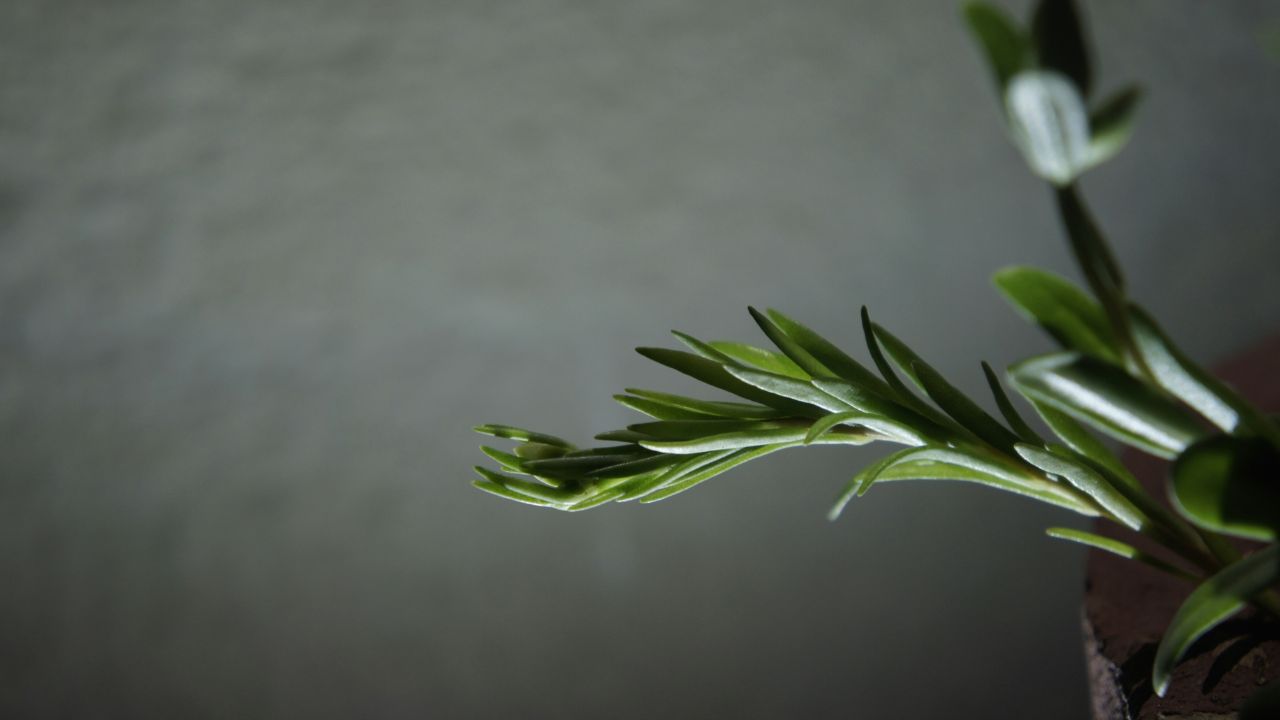
Introduction to Foenegriek (Fenugreek)
Foenegriek, or fenugreek as it’s commonly known, is a herb that has been cherished across cultures for centuries. Often overlooked in modern kitchens, this little green gem packs a powerful punch of flavor and health benefits. From its distinct maple-like aroma to its numerous culinary uses, foenegriek deserves a special spot in your pantry. Whether you’re an avid cook or just starting out on your culinary journey, discovering the versatility of foenegriek can elevate your dishes while promoting wellness. Dive into the world of this remarkable herb and uncover all that it has to offer!
Health Benefits of Foenegriek
Foenegriek, or fenugreek, is more than just a flavorful herb. It’s packed with health benefits that can elevate your well-being. Rich in dietary fiber, foenegriek aids digestion and helps maintain gut health. Many people find relief from digestive issues by incorporating it into their meals.
This herb also boasts anti-inflammatory properties. It has been linked to reducing inflammation in the body, which might help with conditions like arthritis. For those looking to manage blood sugar levels, foenegriek may offer some support. Several studies suggest it can improve insulin sensitivity and lower blood sugar levels in diabetic patients.
Additionally, foenegriek is known for its hormone-balancing effects. Women often use it to alleviate menstrual discomfort and support lactation during breastfeeding. With such diverse benefits, it’s no wonder this herb deserves a spot in your pantry!
Culinary Uses of Foenegriek
Foenegriek is a culinary gem that can elevate your dishes in surprising ways. Its distinct, slightly bitter flavor pairs beautifully with both savory and sweet recipes. In Indian cuisine, it’s often ground into a spice mix called “panch phoron.” This adds depth to curries and lentil dishes. You can also find it as key ingredient in traditional pickles.
Beyond India, foenegriek seeds work wonders in bread making. They lend an earthy note to flatbreads or artisanal loaves. If you’re feeling adventurous, try sprouting the seeds for salads or sandwiches. The young leaves are tender and add a fresh touch. Don’t forget about its potential in beverages! Foenegriek tea offers a unique taste while providing health benefits too.
How to Incorporate Foenegriek into Your Diet
Incorporating foenegriek into your diet is easier than you might think. Start by adding the seeds to your spice cabinet. They have a slightly bitter flavor that can elevate various dishes. Sprinkle crushed seeds on roasted vegetables for an unexpected twist. This adds depth and a subtle crunch, making your meals more exciting.
You can also brew foenegriek tea. Just steep a teaspoon of the seeds in hot water for about 10 minutes. This soothing beverage offers numerous health benefits while being simple to prepare. Another option is using foenegriek leaves, known as methi, in salads or curries. Their unique taste complements many recipes beautifully.
Consider incorporating foenegriek powder into smoothies or oatmeal for added nutrition without altering the flavor too much. It’s a small change with big benefits!
Growing and Storing Foenegriek at Home
Growing foenegriek at home is an enjoyable experience. This hardy herb thrives in warm conditions, needing plenty of sunlight and well-drained soil. Start by planting seeds about half an inch deep in your garden or a pot. Water the plants regularly but avoid overwatering. Foenegriek prefers dry spells between waterings to develop its rich flavor. Watch for their unique trifoliate leaves; they can be harvested once they’re a few inches tall.
When it comes to storage, fresh foenegriek leaves can last about a week in the fridge wrapped in damp paper towels. For longer-term use, consider drying or freezing the leaves. Simply hang them upside down until fully dried, then store them in airtight containers away from light. Experiment with different methods to see what works best for you! Enjoying this versatile herb right from your own garden enhances both flavor and nutrition in your meals.
Other Surprising Uses for Foenegriek
Foenegriek, often celebrated for its culinary and health benefits, has some surprising uses that might pique your interest. One lesser-known application is in natural skincare. The seeds can be ground into a paste and applied to the skin to help reduce inflammation and soothe irritation. Another intriguing use lies in hair care. Foenegriek is known to strengthen hair follicles, promoting healthier growth. A simple rinse made from soaked seeds can invigorate your scalp.
For those interested in gardening, foenegriek serves as an excellent companion plant. It can deter pests while enriching the soil with nutrients. It’s worth noting that foenegriek has been used traditionally in Ayurvedic medicine for various ailments beyond digestion or blood sugar control, including respiratory issues and inflammation reduction. Its versatility truly knows no bounds!
Conclusion
Foenegriek, or fenugreek, is a remarkable herb that deserves a spot in your kitchen. Its health benefits are numerous, offering support for digestion and blood sugar levels. Not to mention the unique flavor it adds to dishes—making meals more exciting.
Incorporating foenegriek into your diet can be simple and enjoyable. Whether you use its seeds in spice blends or fresh leaves in salads, there’s no shortage of possibilities. Plus, growing foenegriek at home can enhance your cooking experience while ensuring freshness.
Beyond culinary delights, foenegriek has surprising uses that range from natural beauty remedies to potential medicinal applications. This versatile herb is not just another ingredient; it’s an asset to any household. Embracing foenegriek opens up new avenues for nutrition and creativity in the kitchen. With all its benefits and uses clearly laid out, it’s time to consider how this incredible herb can enrich both your health and culinary adventures.