

Introduction to Delta Flight DL275
Traveling is often an adventure filled with excitement and anticipation. However, there are times when unexpected events can turn that journey into a roller coaster ride. One such instance captured the attention of many recently: Delta Flight DL275, which was diverted during its route to Los Angeles International Airport (LAX). Passengers on board experienced a whirlwind of emotions as their plans changed mid-air. What happened on this fateful flight? Let’s dive into the details of what caused the diversion, how passengers coped with the situation, and what aviation experts have to say about it all. Whether you’re a frequent flyer or planning your next trip, understanding these experiences could make all the difference in navigating your own travel adventures.
The Diversion and Its Causes
Delta Flight DL275, en route to Los Angeles, faced an unexpected diversion. The flight had taken off with high hopes but soon encountered unforeseen circumstances that altered its course. Weather conditions played a significant role in this decision. Severe turbulence and low visibility forced the pilots to rethink their path. Safety is always the priority for airlines.
A mechanical issue was also reported shortly after takeoff. Although it was manageable initially, crew protocols necessitated caution. Ensuring all passengers remained safe was paramount. Communication from the cockpit kept everyone informed during this turbulent time. Transparency helped ease concerns among travelers as they navigated uncertainty together.
The combination of these factors illustrates how quickly plans can change in aviation. Understanding these causes sheds light on the complexities behind such diversions and highlights the resilience of flight crews who manage them effectively.
Passengers’ Experiences During the Diversion
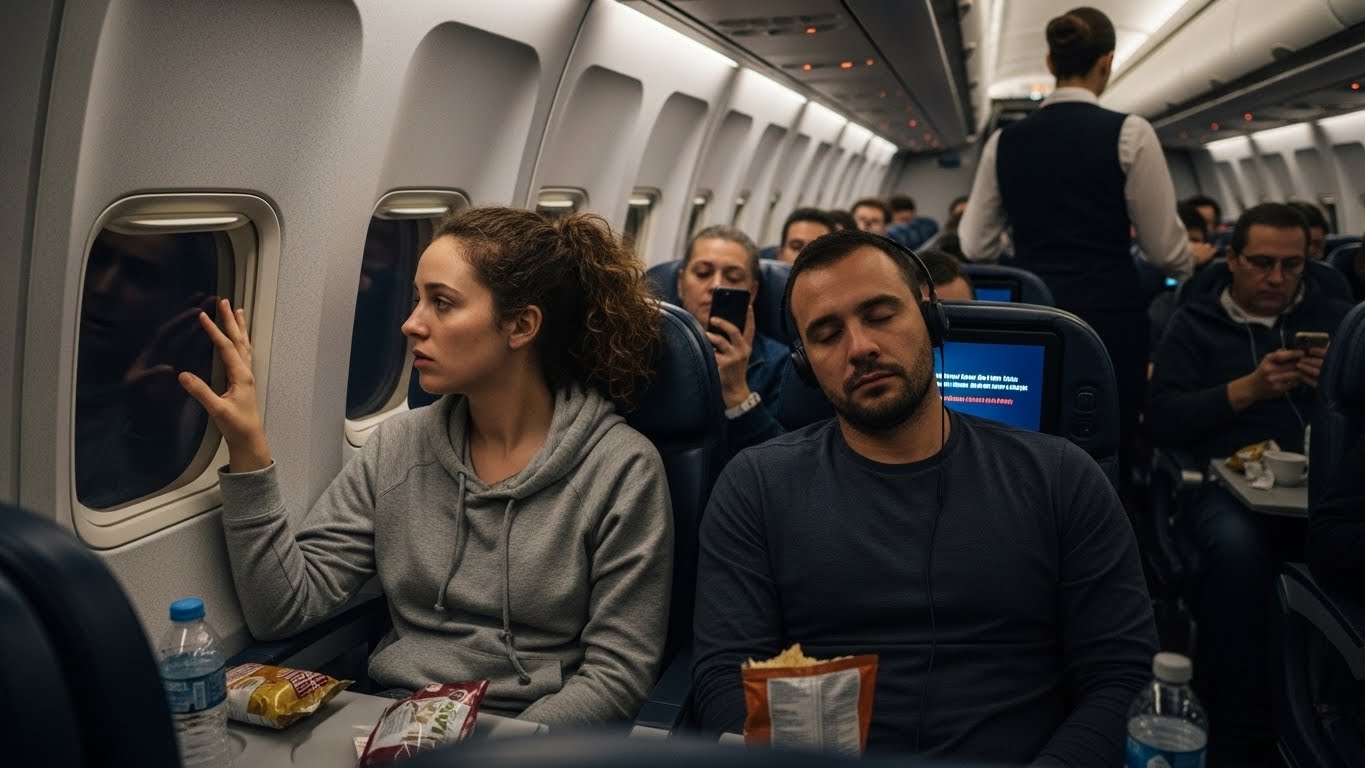
As Delta Flight DL275 diverted, passengers found themselves in a whirlwind of emotions. Confusion swept through the cabin as the announcement came over the intercom. Some travelers were anxious. They whispered among each other, trying to piece together information about what was happening. Others took out their phones, looking for live updates online.
A few individuals remained calm and composed. They chatted with fellow passengers or shared snacks with those feeling uneasy. The atmosphere shifted from tension to camaraderie; strangers became allies in an unexpected situation. The flight attendants worked tirelessly to reassure everyone aboard. Their professionalism shone brightly amidst uncertainty, offering water and comfort where needed. For many on board, this diversion turned into an unexpected adventure—a story they would recount for years ahead. Each person left that flight with unique insights and experiences etched into their memories forever.
Insights from Aviation Experts on Diversion Protocols and Procedures
Aviation experts emphasize that diversions are a standard safety protocol. When unexpected situations arise, pilots follow established guidelines to ensure passenger safety and aircraft integrity. During the Delta Flight DL275 incident, specialists highlighted the importance of communication. Keeping passengers informed can alleviate anxiety during an uncertain situation. Clear announcements about what’s happening make a significant difference.
Experts also stress the rigorous training pilots undergo for such scenarios. They learn to assess risks quickly and make critical decisions under pressure, ensuring all onboard are protected. The role of air traffic control cannot be overlooked either. Coordinated efforts between pilots and ground personnel streamline diversion processes, leading to safer outcomes.
Such procedures serve both as preventive measures and responses to emergencies. In aviation, prioritizing passenger well-being remains paramount in every decision made at 30,000 feet.
Impact on Airline Industry and Passenger Safety Concerns
The diversion of Delta Flight DL275 has raised significant discussions about safety protocols within the airline industry. Passengers and their families often feel anxious when faced with unexpected changes during travel. This incident highlighted the importance of transparent communication between airlines and their customers.
Airlines are under pressure to ensure that diversions, while sometimes necessary, do not compromise passenger well-being. Each event prompts scrutiny from regulatory bodies and aviation experts who analyze procedures in real-time.
Moreover, incidents like these can influence how potential travelers perceive air travel risks. Trust is a crucial element for airlines aiming to maintain customer loyalty amidst heightened concerns over safety. As such events unfold, they may lead to reform in policies or training programs designed to enhance crew preparedness for emergencies. The ripple effect of a single flight diversion extends far beyond just those on board; it touches upon broader industry standards and public perception.
What You Can Do as a Passenger in Case of Diversion
Staying calm is key during a flight diversion. It helps you think clearly and respond better to the situation. First, listen carefully to announcements from the crew. They are trained for these scenarios and will provide vital information about what happens next.
Make sure your phone is charged. You might want to contact loved ones or check for updates on social media. Keep essentials handy. If you’re traveling with medication or important documents, having them easily accessible can make a big difference.
Engage with fellow passengers if appropriate. Sharing experiences can ease anxiety and foster camaraderie in an unexpected situation. Remember that diversions are often made with passenger safety as the top priority. Trust that airline staff will do their best to ensure your comfort throughout the ordeal.
Conclusion: Lessons Learned and Preparing for Future Travel
The experience of Delta Flight DL275 being diverted to LAX serves as a reminder of the complexities involved in airline travel. Passengers faced unexpected challenges, but many adapted with resilience and patience. Aviation experts stress the importance of strict diversion protocols that prioritize safety above all else. These procedures are designed to manage emergencies effectively, ensuring passenger welfare throughout any situation.
For travelers, understanding what steps to take during unforeseen events can ease anxiety. Familiarizing oneself with airline policies and maintaining open communication with flight attendants can help mitigate frustration and confusion during diversions. As travel continues to evolve, lessons from incidents like this will shape future experiences for passengers. Staying informed about potential disruptions and preparing accordingly can enhance your overall journey. Embracing flexibility is essential in navigating the unpredictable nature of air travel today.