

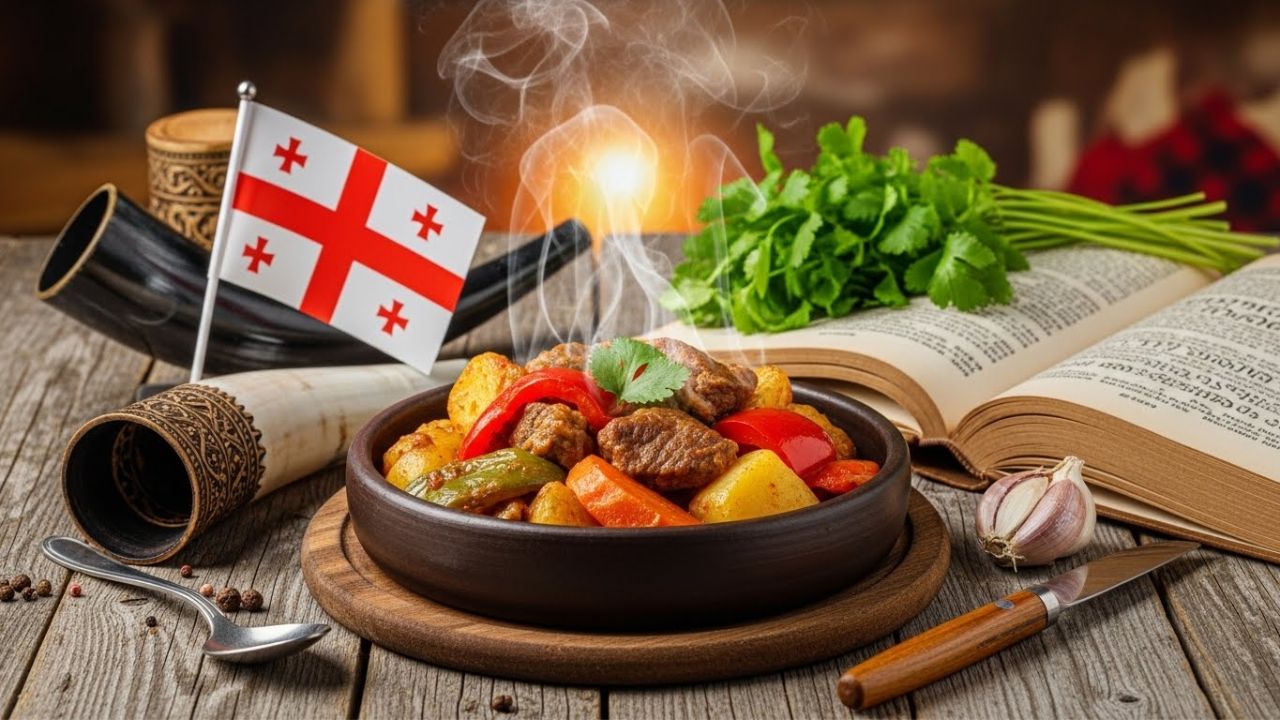
Introduction to Çbiri and its cultural significance
Çbiri is more than just a dish it’s an embodiment of culture, history, and community. When one encounters this traditional meal, it becomes clear that each ingredient holds deeper meanings and stories waiting to be uncovered. Originating from rich culinary traditions, çbiri serves as a bridge connecting generations and fostering relationships among people. It invites not only taste buds but also hearts into the experience of sharing food together.
As we delve deeper into the world of çbiri, we’ll explore its historical roots and discover why it’s loved by so many. The preparation process reveals ceremonial aspects that elevate it beyond mere sustenance; it transforms meals into celebrations steeped in symbolism. Join us on this journey through flavors and narratives as we unpack what makes çbiri such an integral part of cultural identity!
Historical background of Çbiri and its origins
Çbiri traces its roots back centuries, intertwining with the history of various cultures in the region. This traditional dish represents a rich tapestry of influences, from nomadic tribes to settled communities. Originally, it served as sustenance for families during harsh winters when resources were scarce. The ingredients varied according to availability and local customs, showcasing regional flavors and culinary techniques.
Over time, Çbiri evolved into more than just a meal; it became a symbol of hospitality and communal sharing. Families would gather around the table to partake in this beloved dish during significant events. Its origins are steeped in stories that connect generations. Each family adds personal touches to their recipes while preserving age-old traditions passed down through storytelling and practice.
The Ingredients Used in Making Çbiri and their Symbolic Meanings
Çbiri is a culinary masterpiece, rich not only in flavor but also in meaning. The ingredients play a pivotal role, each embodying cultural values and traditions. At its core, the dough symbolizes unity and togetherness. Kneading it brings people closer as they share stories and laughter around the table.
The filling often features meat or vegetables, representing sustenance and hospitality. Offering Çbiri to guests reflects warmth and generosity within the community. Spices like cumin or paprika add depth to the dish while signifying life’s complexities—an acknowledgment of both joy and struggle.
Herbs such as parsley bring freshness, illustrating renewal and hope for future generations. In every bite of Çbiri lies a story woven from rich cultural threads that connect past with present.
How Çbiri is Prepared and Served: Ceremonial Aspects
The preparation of çbiri is often as significant as the dish itself. Traditionally, families gather to create this culinary masterpiece, turning the kitchen into a lively communal space. Each step is infused with meaning, from selecting fresh ingredients to the meticulous cooking process. As it simmers on the stove, conversations flow freely. Stories are shared among generations, strengthening bonds and weaving memories into every bite.
When it’s time to serve çbiri, presentation becomes an art form. It’s typically served in large bowls that invite sharinga symbol of unity and togetherness. Often accompanied by traditional sides like bread or pickles, each meal creates a tapestry of flavors that reflect cultural heritage. The act of serving extends beyond nourishment; it’s about connection—celebrating life’s milestones or simply enjoying family gatherings while cherishing traditions passed down through time.
The Role of Çbiri in Celebrations and Community Bonding
Çbiri is more than just a meal; it embodies the spirit of togetherness. In various celebrations, this dish takes center stage, uniting families and friends around a shared table. When prepared for special occasions, Çbiri becomes a symbol of hospitality. Guests are welcomed with warmth as the aroma fills the air. It enhances conversations and laughter, fostering connections among attendees.
During community gatherings, Çbiri often serves as a ritualistic centerpiece. Its presence signifies harmony and cultural pride. People come together not only to savor its flavors but also to share stories and traditions passed down through generations. The act of making Çbiri can be communal too. Families join forces in kitchens, each contributing their unique touch to create an authentic experience. This collaboration strengthens bonds while preserving cherished culinary practices that define their heritage.
Modern Adaptations of Çbiri: Cultural Preservation vs Commercialization
Modern adaptations of çbiri are fascinating to observe. As globalization spreads, traditional dishes face the challenge of retaining their authenticity while appealing to broader audiences. Many chefs experiment with ingredients and presentation styles, leading to innovative takes on this beloved dish. This evolution raises important questions about cultural preservation. Some argue that these changes dilute the essence of çbiri. They believe that maintaining traditional recipes honors its heritage and history.
On the other hand, commercialization offers new opportunities for visibility. Restaurants may create fusion versions that attract diverse patrons while keeping the spirit alive. This balance between innovation and tradition is delicate yet essential in today’s culinary landscape. Amidst these shifts, communities continue celebrating çbiri as a symbol of togetherness. Events centered around it foster connections among generations old and new, ensuring its legacy persists despite evolving tastes.
Conclusion: Why Çbiri is More Than
Çbiri transcends the boundaries of being merely a dish. It embodies cultural heritage, community ties, and traditions passed down through generations. Each ingredient tells a story; every preparation method reflects age-old practices that have shaped local identities.
As we explore its rich history and symbolic significance, it becomes clear that çbiri stands as more than sustenance on a plate. It binds communities together during celebrations, fostering relationships among families and friends over shared meals. The ceremonial aspects involved in its preparation elevate it to an art form where love and care are infused into each step.
While modern adaptations present challenges related to commercialization and authenticity, they also offer opportunities for preservation and innovation within culinary landscapes. Çbiri remains deeply rooted in tradition while evolving with contemporary influences.
In essence, this traditional dish encapsulates the spirit of connection—between people, their histories, and their cultures—making çbiri not just food but a cherished symbol of life itself.